

Choosing Between an Infant and a Convertible Newborn Car Seat
A newborn car seat is also referred to a baby car seat or infant safety seat. It is designed to protect infants against injuries and deaths in car accidents. The harness distributes the restraint force over the body and head of the child, rather than the neck or spinal cord.
These seats are available in rear-facing and convertible versions, as well as with an array of weight and height limits. They may also be part of an entire travel system that snaps into and out of the base of a stroller.
Rear-facing
Rear-facing infant car seats provide the most complete protection for infants during crashes. They are designed to hold and support children, protecting their spine, neck and head. They also help to reduce the force of a crash to prevent your child's body from being hit and minimizing injuries. This is because the child's body doesn't hit the seat of the vehicle, or front passenger seat. Instead, it's an upholstered, soft surface within their car seat.
According to the AAP as well as the National Highway Traffic Safety Administration Parents should keep their child rear-facing until they reach the maximum weight or height limit. The majority of children outgrow their infant carseat around age 1 and can transition to convertible car seats that is able to face forward. However, many parents want to keep their child in a rear-facing seat until they turn 2.
There are two main kinds of rear-facing car seats: infant-only seats and convertible car seats. Both are equally safe but offer different conveniences. Infant-only seats, for example are smaller and lighter. They also have the quick-release base which can be easily removed from the vehicle and then attached to the stroller. Convertible car seats are bigger and heavier, and do not have a built-in stroller base.
It is crucial that you always use the back seat, regardless of the seat type. You can also place a blanket that is tightly rolled or washcloth between the crotch harness and your child to ensure the harness is tight. Make sure that the lower anchors of your car seat are properly installed, and that they are connected to the lower anchor points on the lower anchor bars.
Research has shown that babies who sit in the rear of the car are less likely to be injured in a car accident. Car seats that are rear-facing allow infants to be less impacted when they strike the car's front, as opposed the the back which can result in serious injuries.
Forward-facing
Most parents have given lots of consideration to their newborn car seat. It was an important item on your baby registry and the method you used to bring your baby home from the hospital. Now as your child gets older, you may be considering turning the car seat facing forward. It's important to keep in mind that your child isn't yet ready until they reach the weight and height limits established by their car seat manufacturer.
As long as your baby weighs at least 20 pounds and one year old, they should stay rear-facing. Children younger than one year do not have the neck muscles necessary to resist whiplash resulting from being thrown in an accident. They also have an increased risk of suffering spinal injuries in head-on collisions.
You can buy a convertible car seat or an all-in-one one that allows you to keep your child facing forward until the child reaches the weight and height limits of the seat. These seats are typically bucket-style infant car seats that are attached to a base for placement in your vehicle. The base can then be removed and attached to strollers to form a travel system. They tend to have lower weight and height restrictions than standard car seats.
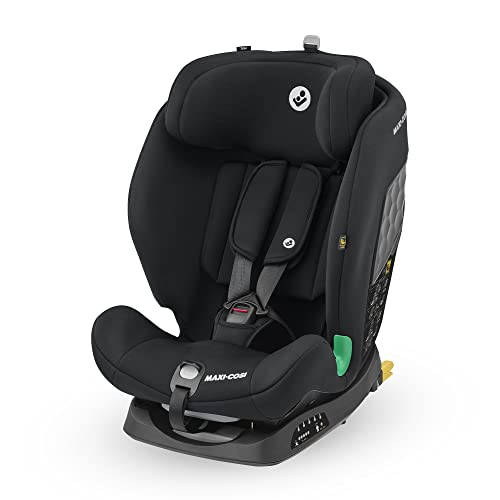
You can also purchase a booster seat. These are typically fitted with a harness designed for smaller children, and then convert into a belt-positioning booster seat when your child is ready for it. The primary benefit of this kind of car seat is that it will remain in your vehicle all through the child's life, making it easy to move your child from one place to another.
No matter what car seat you select, always read the manual and follow the installation guidelines. Get a certified safety technician to ensure your child's car seat is installed and used properly. It is common for parents to misuse car seats, and even well-intentioned parents may cause harm to their children. It is recommended to read the instructions on the car seat and follow the recommendations of a CPST.
Convertible
Many parents opt for a convertible newborn child car seat since they can expand with their baby and enable them to travel safely through toddlerhood and into infancy. These seats are also less expensive than infant car seats and have longevity for a long time. But, it's crucial to choose a model that is simple to install and will fit in your vehicle. Additionally, be sure to keep your baby safe by buckling them up correctly each time.
Snug straps prevent the head from shifting into a dangerous chin-to chest position that could lead to strangulation or asphyxiation. A lot of infant carseats come with straps that are loose or not buckled which pose a serious safety risk. infant car seat best that are not buckled can cause a neck to hang and is the reason of many accidents. The crotch buckle may cause danger if it is not tight enough to pass the pinch test. This test determines whether the crotch buckle is tight enough to prevent the legs of a newborn from sliding in the seat which could cause them to be cut or trapped.
Some convertible car seats for newborns come with an adjustable torso height, which lets you adjust the height limit according to your child's development. The minimum torso height should be equal to the height of your infant's shoulders, or one inch lower. Some models include an infant insert that will assist you in raising your child up to the right height.
The best convertible newborn car seat should be a snug fit, comfortable padding and a slender base that allows you to install it in your car. It should also have a snug, tight harness that passes the pinch test and a small and tightly-rolled blanket or towel for an emergency. It should also come with an anchor tether that connects to the anchor points of your vehicle, which will reduce injuries in a crash by reducing force of impact. Additionally it should include an infant travel system that includes a car seat that is paired with a stroller and has an handle that you can use to transport your baby from the car to the stroller.
Safety features
Parents must consider when they're choosing the appropriate car seat for their babies. However, car seats are an essential purchase for families with young children because using them can reduce the risk of fatal collisions with motor vehicles by 70 percent. The decision between a child's car seat and a convertible model is dependent on several factors, including safety features, compatibility with your vehicle, and ease-of-use.
Infant car seats are made with the delicate physiology of a newborn in mind. The base of the seat is usually located in the car, and the seat snaps into its place. This makes it simple to move your baby from stroller to car, and back without causing any disturbance. They come with a crotch as well as a harness built in to keep your child safe.
Some infant cars come with side-impact protection that distributes the force of a crash away from the infant's neck and head. They are made of metal, plastic, and foam that absorbs energy and shields the head of the infant from direct contact with the frame of the vehicle or other objects in a collision. Some include a special pod that extends beyond the door to protect the child's head.
Another safety feature that is becoming more common in newborn car seats is a chest clip that holds the harness straps straight across your newborn's chest. This prevents the straps from pinching or twisting at the shoulders, which can place your baby at a greater risk of injury. If you decide to purchase a car seat that has this feature, ensure that the chest clip is placed at armpit level. You should also avoid dressing your baby in bulky clothes that might interfere with the harness's fit.
Regardless of which type of car seat you choose make sure it's installed in your vehicle in accordance with the instructions of the manufacturer. Look for the Lower Anchors and Tethers for Children system. This system comprises an attachment that clips onto the lower anchor points of your car, and the tether which is attached to an anchor in the vehicle. If your car does not have LATCH, a seatbelt may be used to secure car seats.